This week in 'Convergence Media Teamwork' we were learning abut narrative structures within Transmedia stories. There are 2 types: linear in which the story just follows a straight line, or non linear in which the user can choose what direction the story can go off to out of a number of different options. As a user I much prefer a non linear direction because it allows me to have some impact in what happens in the story and makes me feel like I am involved into it. However for this module, I think I would much rather do a linear story because I would rather make my project the best it can be rather than attempt to do too much and it all being of a low standard.
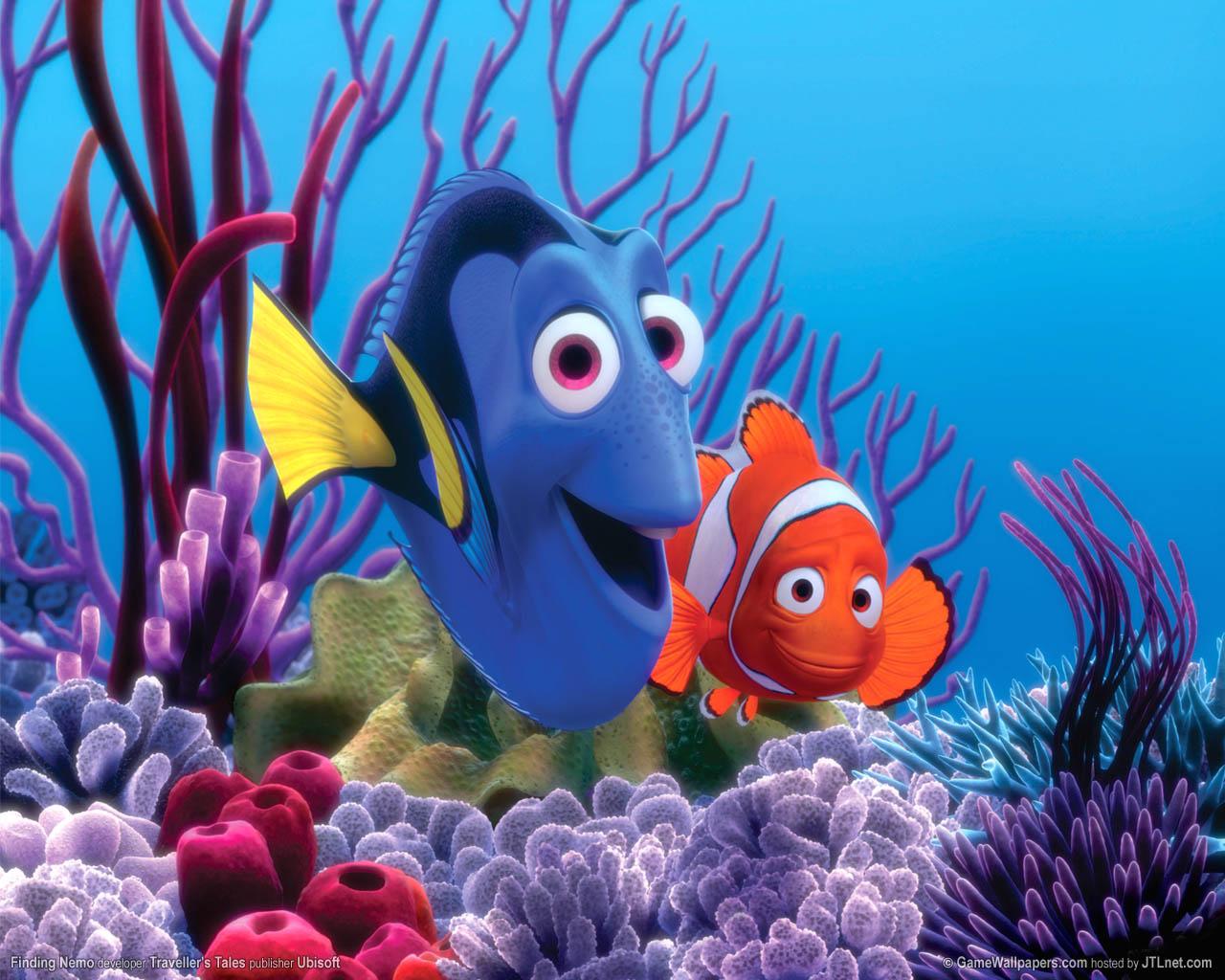
In this lecture we got into groups and had to create a transmedia story plan of a fairytale. We had to decide the narrative structure and then plan what aspects of a multiplatform story we would include. Our group chose to base ours on 'Finding Nemo' which I know isn't classed as a fairytale but has many similar aspects - and it is an amazing film!
We decided to focus on what happened before and after the film, providing fans with more of an insight into how the characters became who they were and what happened to them next. We split up our story into 4 parts based on 4 of the characters: What happened next to Dory, The back story of how Marlin and Coral met (Nemo's parents), how the sharks became who they were in the film and what happened next to Nemo. We decided that within our story we would use a range of transmedia such as viral videos, social networking, websites and apps.
Overall I found this task fascinating because it allowed us to explore different aspects of how to tell a story through narrative and platform. After researching in previous weeks example of transmedia stories, I feel that I am becoming more knowledgable in this area and will be able to successfully complete the brief that we have been set. In my opinion, using multiplatform devices to help tell a story is an effective device because it allows fans of shows to explore aspects of shows in new and innovative ways.
Recently we had to do our presentations for Applied Media Research, in which we had to present our research and answer to the question, "Which are the three most successful ever examples of cross platform television programming, how did viewers participate and most importantly, what did they gain from the experience?".
After getting all our research together we met up as a group to enter it all onto a prezi and then write a script. We chose to use prezi because we felt that it was more professional looking than PowerPoint and that it would be more entertaining to watch as moving from box to box would be more fluid than just a straight change to a new slide of text. We made a conscious effort to not overload the Prezi with information as we didn't want the audience to spend all their time trying to read the text instead of listening to us so in each box of text we just put a few key words or statistics. We felt that having a script was vital as we didn't want to forget key points of research so we decided that we would practice a lot and not spend all our time looking at our cards.
We met up a few hours earlier on the day so we could run through the presentation a few times. I thought this was a good idea as the more we practiced it, the more it became familiar to us and it felt more natural.
Here is a link to our presentation:
I felt that our presentation went quite well as we didn't overrun the 15 minute timeslot we were given, we managed to get all of our research across in a clear and concise manner and I felt that we gave a confident delivery. If I was going to do it again, I personally would look up more from my script as I felt that I didn't do this as much as I should have. However my two other group members did amazing so credit to them!
On reflection, I feel that doing this presentation, and the course in general, has made me become a much better public speaker. The first time we had to do a presentation in Year 1 I remember feeling really nervous but after doing so many since then, it just feels like the norm and I feel really comfortable doing this. My confidence has also been improved by me occasionally doing stand up comedy, and by my weekly radio show with my friend James Dunn. I am so grateful for all these opportunities because I understand that one of the key skills that are essential in the media industry is confidence as you need to be able to talk to anyone and I can definitely do that!
A new year, a new media area of interest and a new module to delve in to!
We recently had the introductory session of 'Convergence Media Teamwork'. This module is all about transmedia - media which is across a range of different platforms, such as viral videos, apps, websites and social networking. Jenkins (2007) said, "Transmedia storytelling represents a process where integral elements of a fiction get dispersed systematically across multiple delivery channels for the purpose of creating a unified and coordinated entertainment experience". These are often used in 2 different ways: firstly in transmedia storytelling which can be a standalone project or used to promote a famous tv show or film, such as Game of Thrones; or they can be used in campaigns as this enables them to get the message spread wider across the world as it is using many platforms.
We were shown a few examples of both kinds and I've linked below a few of my favourite ones:
http://www.ryman-novel.com
http://www.youtube.com/watch?v=DOOJl5lWNfM
Our task is to either create a transmedia story or transmedia campaign and produce a presentation on our chosen idea in groups of 3. After being initially confused about the task, I asked fellow students for a clearer explanation which I received and now I'm really excited about the task ahead. I love to experiment with different types of media and the idea of bringing them all together to make a bigger piece appeals to my interests.
Multiplatform stories are going to become bigger and better in the future and why shouldn't they - as more media users own more media players such as the traditional tv and computer, but now also the use of smartphones and tablets are the increase, the need for media to be accessible everywhere is becoming a necessity. Smart media creators will embrace this and use this as, not only an outlet for their creation, but also use them as a method of advertisement because it will reach a far great number of people.
Another one of my responsibilities in the group was to collect and analyse the results of the paper questionnaire and to create an online questionnaire and then analyse those results. We decided to do an online questionnaire so that we could reach a wider variety of people through the internet by sharing it on social networks. On reflection, I realise that social networks are an extremely useful method of gathering information as you can send a message out to hundreds of people instantly, and they can then share that message with hundreds more people. This made me think that all TV shows should have their own social networking page as they will be able to find out fans' opinions instantaneously helping them realise how they can make their show better and more successful.

We used a combination of quantitative and qualitative questions so that we could collect more in depth answers about peoples' opinions on multi platform programmes. I think this was a good idea because although some questions were harder to analyse, it was worth it as we then knew peoples' exact views on the topic.
Results
Question 1 - What are your favourite TV Channels?
We asked this question to gage if people preferred channels that offer more multi platform content than other channels. The 3 most popular channels were E4, Channel 4 and ITV1 and we found that 74% of people's favourite channels offer a range of multiplatform shows. This shows that most people prefer channels that offer multi platform content and suggests that many may use it on a regular basis. This is a change from years ago when the norm was to just sit and watch that one programme without getting involved with extra content.
Question 2 - Why are these channels your favourite?
We asked this question because we wanted to know if multi platform content had any effect on people's decisions of what channel to pick. We found that 71% of people watched these channel because they had programmes on that interested them. This suggests that they would be more likely to interact with multi platform content as they are already interested in the shows so the channels can use this to their advantage.
Question 3 - What programmes are your favourite?
This question was asked because we wanted to see if peoples' favourite programmes were ones that involved multi platform content. The 3 most popular shows were The X Factor, Made in Chelsea and Walking Dead. These results show that the 3 most popular shows all involve multi platform content suggesting the increasing popularity of the exclusive content.
Question 4 - Why are these programmes your favourite?
We asked this question to see if multi platform content had any effect on a person's interest in that particular programme. The most popular answer with 50% of participants agreeing, was that the programme was fun to watch. Although this means they aren't tuning in because of multi platform programming, it suggests that they would be more likely to engage with the extra content which is something that programme makers could use to their advantage.
Question 5 - What devices do you watch your programmes on?
We asked this question because we wanted to find out if the way people watch television has changed from the traditional way how everyone just used a television set. We found that 47% still use their television as their main form of watching programmes however 36% now use computers and 11% use portable devices such as smartphones and tablets. This shows that people are starting to ditch the tradition of the family being round a tv set for the ability to watch a programme anywhere and at anytime. Programme creators should take this on board and enable multi platform content to be available anywhere and anytime so people can use it on the go.
Question 6 - Why do you watch it on this device?
We asked this question to find out if the ease of accessibility anywhere made a difference to peoples' watching habits. We found that 78% of people chose their device based on ease of access, whether it be whilst they were travelling, or whether it meant they were not restricted by the TV schedule suggesting that creators of multi platform content should make it available anywhere and anytime
Question 7 - If you could watch a programme on any other device, what would it be and why?
Again, we asked this question to investigate if the ease of accessibility anywhere made a different to peoples' watching habits. We found that 67% of people would choose a portable device like a smartphone or tablet because of its ease of use whilst travelling proving that one of the most important aspects of media today is that it can be accessed anywhere.
Question 8 - Do you play along with associated apps or use social networks relating to what you're watching on a smartphone, tablet or laptop during the same time they are on TV?
We asked this question to see how many people interacted with multi platform content at the same time as the show was on. Results showed that 87% of people interacted with multi platform content whilst a show was on, whether it was apps or using social networks to talk about the show. We found that 54% used smartphones, 32% used laptops and 14% used tablets. This shows the massive popularity of multi platform content and demonstrates that users enjoy interacting with the show on more than the one level of just sit back and watching it.
Question 9 - What programme do you play along with on apps or use social networking with?
We asked this question to help us determine what the 3 most successful examples of multi platform programming was. We found that the three most popular answers were The X Factor with 30%, Million Pound Drop with 26% and Embarassing Bodies with 13%. We decided to use these 3 answers and research in depth these shows and use them for our case studies because from our research they were the most popular
Question 10 - Why do you use these multi platform services?
We asked this question because we wanted to find out the reasons why people used multi platform content. Results showed that 33% people used them as a social activity, either playing along with someone or talking about the shows with other people, 30% use them because they find it fun and 30% play along with it because they want to interact with the show more. These results show that people interact with multi platform content for entertainment reasons on the whole. Programme makers should aim to create content that incorporates fun, social elements and interaction with characters or contestants as this is what the fans want.
I found doing these questionnaires fascinating because it was interesting to find out peoples' opinions and the ways that they use technology today. I was shocked by the popularity of multi platform content and feel excited for the future of television as I know that there will be more use of this as the audience's wants and needs now play a bigger role than ever in production and decisions of shows. Another big thing that came out of this research is the demand for all media to be easily accessible, anywhere and anytime, which is something we will definitely see more of as smartphones are rapidly becoming one of the most used items of technology.
The Christmas break has been absolutely lovely, I've enjoyed sitting back and relaxing and spending loads of time with my friends who live elsewhere for uni. However it hasn't all been spent doing nothing - we have had 2 reports to complete for university. One on our 'Beyond the Camera' digital artefact and one about our 'TV Studio' show that we made. I find doing these assessment reports almost therapeutic because they allow you to get all your thoughts about what was good and bad about the work you did out onto paper, and allows you to assess how you work individually and as part of a team. I like this because it helps me learn what I need to improve on so I can work more effectively in upcoming projects.
I have also been luckily enough to get an amazing present this Christmas - I got a Macbook Pro! One of the main reasons I got this, not just because they look amazing, but it was because it is a far better computer to produce media work on. My old computer was so close to giving up the ghost that even the thought of editing a film on it would make it crash. So with my new computer I hope to learn more skills with using Photoshop, After Effects and Final Cut Pro and I'm going to take this Summer to learn everything I possibly can so I'll be all ready for third year and a career!
My favourite part of Christmas always has been the Christmas TV and this year was no exception. I get so excited for the special Christmas editions of some of my favourite programmes, such as Miranda, The Royle Family and Downton Abbey and they definitely delivered this year. It must be really hard for programme makers to live up to the pressure and hype that these Christmas editions get, and they often have to step up a gear with celebrity guests, new elements to the programme or tragic endings. However I find this really inspiring as I hope one day I will be involved in a team making a successful Christmas special of a programme I have loved and nurtured.
Happy New Year!