Friday, 15 November 2013

Evaluation of Final Project

  I felt that my presentation went well as I managed to get all my points across. I wasn’t nervous as I enjoy public speaking, mainly because I talk a lot anyway! I made sure that I only put brief bullet points on my prezi because I have learnt that it is best to have the audience focus on what you are saying rather than trying to read everything on the screen.
Here's the link to my prezi: http://prezi.com/dpahyzxn8vmq/creative-media-project-qr-calendar/

I am proud of the artefact that I have produced within the set time as I feel like it is an innovative spin on a traditional concept that has been around for centuries.

I Would focus more on making it look polished as there are certain videos which don’t look very professional. I also felt that some of the Rostrum camera effects were a bit fast and unsteady so I would improve these to make them smoother.

I would also get more own footage and sounds as had to use copyright free images and sounds and feel that if I made all the media then I could get the exact effect that I wanted to. However as I am not able to create music myself, this was unable to happen. If I were to develop it, I would have a selection of premade songs, made especially for the project designed to portray a range of emotions and themes, that people could pick from. Also I would hope to be able to use existing songs so people could realte their memories with songs that they recall fondly.

I would also create a website where people could create groups with their friends in which they could all upload their own content of memories from that month to form a collaboration of memories, and then these could be put on the calendar in QR codes.

One of the major issues I had was for February’s QR. My original plan was to have a short film of someone proposing to another person but my actors dropped out last minute meaning I had to find some copyright free images of love online and create a video with them. However I feel that the end product actually turned out well and delivered the impact I wanted.

A major improvement that I would make would be to create more mini films as I felt that I did too many Rostrum Camera videos. However if this prototype was to become a real thing, users who wanted to create it would most likely just have photos to work with and not films. To combat this problem I would create template films such as triptychs of the seasons that users would be able to freely include in their calendars to make it a more polished piece.

I would also make the calendar itself look more polished and professional, and it would be printed on glossy paper and spiral bound.

If I were to develop it further I would use more QRs, including video messages to the user of the calendar to give it a more personal touch, making it a priceless keepsake.

I would also create a QR reader App that would be linked to this calendar and would be specially created so that the media in the QR codes would play smoothly and to the highest standard within the app.

I was really proud of myself for not leaving it all to the last minute like I have done in the past. I ensured that I created a detailed schedule at the start of the project and looking back on it, I can say that I largely stuck to it! I did everything in steps so that I could stay organised and ticked things off a list after I had done them. It definitely taught me a productive way I can work in the future and proved to me that planning is vital in large production projects – I’m just happy that I’ve learnt this lesson now!

On a personal note I found the entire process of development and production highly beneficial for my confidence in creating my own media. I was glad to work on my own as it meant I could do it all myself on not rely on anyone else to do all the work. My skills in Photoshop, After Effects and Premiere Pro have improved greatly and I look forward to learning even more in the future! Using the skills I learnt here, I managed to gain an editing job for a housing company in which I had to edit various clips together to create a montage.

I would definitely choose to do QR codes again as I really enjoyed exploring how they can be used to create a traditional idea more innovative.

Thursday, 7 November 2013

Development & Production of Idea

Before sourcing any media and creating my own content, I created a list of what theme each month was and what I would need to do. I felt that planning was a key part of this project so I could stay organised throughout and not get stressed.

I mostly used all of my own media such as photos and videos. February found images online that are all copyright free. And all music is from online.
For each month I came up with a theme or occasion that happened and then went about trying to create a way in which I could present that memory using media.
For a lot of the months I recreated moments that had happened, and took photos so that I could use the Rostrum Camera Effect and make short films and put them on Youtube.
I felt this was a better idea than making films because it allowed the user to interact with still images and allowed them to take a closer look at snapshots in time, plus giving them a chance to reflect on their own memories of that occasion
For November I created a soundscape of fireworks as I felt by creating a story with these sounds, the user could imagine themselves watching a display, and therefore making them feel more involved with the project.
I also included links to websites that would be useful for that month, like a school supplies company in September.
To get the most out of the possibilities QR codes present, I included events, social media links and Google maps so that my project would be more varied.


Monday, 28 October 2013

Ideas for Final Project!

So we have finally been set the brief for our final project: to develop any of the techniques from the mini briefs into a short project.

  I decided to develop on what we had learnt about QR codes because I enjoyed the mini brief using these and I like how you can use a range of different media elements in innovative ways to tell a story. I felt that by using a range of media, it would make the project more interesting as people wouldn’t get bored by just looking at lots of different photos or just watching one film. I also loved the fact that the viewer has to get involved with the artefact by scanning the code, making it a more interactive experience for everyone. I wanted to explore the notion of QR codes being used in a useful way, not just in the sense of linear storytelling because I thought that within this area I could create an innovative and novel idea.

I decided to research some existing QR projects to get some inspiration of what direction I wanted to go in with my project.
The first project I looked into was the Radisson Edwardian Hotel chain, who have recently added QR codes to their menus, so that customers could scan certain dishes and watch them being prepared. I liked how this enhanced the customer experience of something that is normally a standard and boring procedure, like choosing what to eat. It inspired me to do incorporate this into my project, applying a more innovative spin on a tradition process.
  I then looked at Tesco in Korea, who have created QR supermarkets in train stations. This enables mobile users to scan various items that they wanted to buy, using their phone’s QR reader and complete their shopping whilst waiting for the train. Again, I liked how they turned a normal, mundane task, into something innovative and more exciting.
I also looked at Spotify’s mixtape QR project. Users were able to make a playlist, then send this to someone via a greeting card which had a QR code inside. I liked the idea of sending a message to someone you love, via a QR code and this was definitely something I wanted to include in my project.

From the research that I did I knew that I wanted my project to be an innovative spin on a traditional concept, but also have a personal touch in which someone can send a message to a loved one through it.
My original idea was a 12 Days of Christmas QR Advent calendar where the person would be able to see a different piece of related media each day, culminating in a personal Christmas message off someone. However I realised that due to the time of the year, it was unrealistic to be able to film so many Christmassy scenes and I didn’t want to just get a load of media off the internet.
So I changed my idea to a QR calendar where there would be a different QR code for each month, relating to that month.
I decided that I would use a range of media including films, photos, soundscapes so that I would be able to practice a range of skills that I have learnt in the past 3 years on various software such as Photoshop, After Effects and Premiere Pro.
However to make the project more interesting, I decided to use it as a prototype for a new type of personalised calendar, in which people would be able to go online and create their own personalised memory calendar for someone special where they can leave letters, photos and video messages for them in the form of QR codes. For each month, the QR code will contain memories from that month in the past year, showing the story of how their year went.
There will also be the option to add in personalised reminders for birthdays of mutual friends.
I chose this idea because I thought it was an innovative spin on a traditional concept that everyone has become used to, and perhaps, bored of.
  On each month’s page there will be a main QR code for the whole month which would focus on memories of that month from the previous year, then on various days there will be birthday reminders, personalised messages to the person and other reminders about novelty days throughout.

Friday, 25 October 2013

YouTube Annotations!

Our final mini brief was to create a short YouTube Annotation video. These are videos in which the audience can decide what way the story goes, by choosing out of a range of options. These can be used for storytelling, or to spread awareness of important issues. I enjoy these type of videos because it makes the viewing experience more interactive and I find it much more engaging and exciting as I have an impact on how the story will end. I was very excited to make my own because of this.

One of my favourite existing YouTube Annotation videos is 'Take The Knife'. I like how there is a fully thought out storyline, and how the characters in it interact with the viewer, making them feel like they really are the character. I also like the danger element within all the decisions you have to make as it adds more pressure to what choice you can make, making it feel more real. This made me like idea that it can be used to spread an important message as people can make virtual mistakes and see the errors of that so they don’t make same bad decisions in life.

We came up with the idea of a party. We would shoot it all POV so that the viewer would feel like it was actually them in the situation. They would be offered drugs, offered the chance to steal a random drink and offered the chance to go home alone, with their decisions maybe having a catostrophic effect on their lives. We felt this was an important topic as it is very relevant to students today. Due to time constraints we weren't able to film the final part about going home alone and this is something we would definitely fit in if we were do develop it more.

Our video:

I got to do a lot of the filming which I found beneficial as it allowed me to develop filming skills and gave me the confidence in that I can do it in the future on my own - a skill which is vital in the media industry.

Due to me having a 2 day placement at Lime Pictures I was unfortunately absent when our group put together the Youtube annotation video but I made sure I researched how to do it for future reference.

To improve I would format the annotations so that, instead of jumping to separate videos, it would just move to different points on that video’s timeline as I feel that this is smoother and the viewer wouldn’t have to wait for the new video to load. However we weren’t able to do it because of the way our video was formatted.


Thursday, 17 October 2013

Isadora


Isadora is a media presentation software, created by media – artist Mark Coniglio to achieve interactive performances for his dance company, Troika Ranch. Using this software, you can do anything form simply play a video to creating an interactive system that responds to live performers. It’s often used in nightclubs and music festivals, connecting the visual elements such as lighting and effects with the music being played. One element that I love about Isadora is the way the user can get really involved in the installation whilst viewing it on a computer, such as interacting through the webcam or by moving their mouse in a certain direction. I also love how it makes something into more of an art installation than just a film.


Our idea was to create an interactive game based on a young girl who had to try and find her way home, avoiding all the dangerous obstacles we put in place. We initially planned to film it all ourselves, using a range of POV shots so that the audience would feel like they were actually there, and it was their life that was hanging in the balance. The story we had decisions to make such as flagging down a taxi or calling her mum, walking down a well lit street or down a dark alleyway. As we went on with the planning, we came up with plenty more options of what people could choose to do. However it was starting to become too complex to do within our limited timeframe so we had to simplify it.
 
  Unfortunately, even though we had planned it well, due to people’s conflicting schedules we were unable to actually film anything, This was disappointing as I felt that we could have really created something of high standards but it couldn’t be helped at all.
Instead we found some images online and made a little interactive story out of them. It was very basic but we all managed to get a feel of what the software was like.  
Overall I did not enjoy working with Isadora at all as I found it very confusing to understand, and the purpose it was built for didn’t appeal to me at all. I definitely won't be using this in my final project. However I think the fact that there is almost a limitless amount of things you can do with it is amazing, and I would definitely be interested in watching some more Isadora installations even if I wouldn’t use it myself.

Saturday, 12 October 2013

Qr Codes!

This week we learnt all about QR codes. QR codes are symbols created that, when scanned, link to a media source, such as a Youtube video, a website, a voice note, a google maps location, or even a link to a song on Spotify. They can be used to tell a story, sometimes spread across numerous locations so people can go on an adventure to find out the story. They also can be used as a novel marketing technique - people become intrigued by the mysterious code and scan it to see what it is. I find this fascinating as I would definitely be someone who would scan a code I find on the street. This website has numerous examples of creative uses of QR codes: http://www.boredpanda.org/26-creative-ways-to-use-qr-codes/ My personal favourite is the pizza QR as not only do I find it amusing, but also captivating how they have turned a piece of food into a piece of technology!

Our task was to create a story of some sort using at least 5 QR codes. Our idea was originally to do a QR code family tree with the codes representing each family member in a different way however we felt like this was going to be too much of a complex idea in terms of creating and sourcing all the media content in the short time that we had to do this project. So we changed our idea to doing a QR Life Story. I liked the way that we could portray major life events in an innovative way, linking memories together using technology. Instead of photos in this album, we would use QR codes, bringing these memories to life.

Firstly we chose the major life events that we wanted to cover. They were: birth, first kiss, marriage, first baby and then retirement and old age. I’m happy we ended on a happy memory and not someone dying as I wanted the end product to be heartwarming and not morbid.

For birth, we did a QR that showed a Google Maps location of where our character, called Lizzy Parker, was born.


For first kiss, we used a link to a photo of their first kiss and also another code linking the audience to a Spotify link to a song that reminded them of their kiss


For the wedding, we used a different website that created a voice QR code reading out the wedding vows.

For the first baby we linked the QR with a calendar event of the baby’s due date

And for retirement, we linked to an adorable video of an old couple playing piano together on Youtube.


We then stuck all the codes into a printed out photo album to make it more authentic. Unfortunately I haven't got a photo of it, and some of the QR codes.

To improve our QR project, we would create all our own content however due to the fact we were only given a few hours to create this, this was not possible.

I enjoyed using QR codes because I like the fact that the user has to get involved to find out what is behind it, like they are trying to crack a mini mystery. I feel that this is more interesting than someone just sitting there watching a short film as you can use a variety of elements to keep people interested. Since learning about them in this lecture, I have been seeing QR codes everywhere! In my opinion, QR codes are going to become increasingly common in today’s world as almost everyone now has smartphones so companies will start to think of new ones in which they could incorporate this technology. This excites me greatly because I am fascinated in how they will develop and be used in our everyday lives. I am definitely interested in using QR codes for my final project so plan to do some research into existing QR projects for inspiration.


Friday, 4 October 2013

Triptych!

Yesterday we were set our first mini brief - to produce a short triptych film about anything that we wanted. A triptych is a split screen film - when there are 2 or more different shots shown on screen at the same time. It allows the audience to view all different aspects of a situation, and gives them the choice of focusing on one particular element, if they want to. it is a much more creative way of film making than I have ever done before. I was very interested in producing this as I had never done it before. As with everything I have learnt on this course, I always feel impressed with myself after learning how to do something which I always see on the TV!
An example of a triptych painting

An example of a particular triptych is this:
Memory Sixteen
I like how there is a wide variety of different clips that the audience can watch, allowing them to create their own viewing experience. I also love how the simple clips actually create a fascinating film of city life.

After getting in a group with Elicia and Gemma, we started to brainstorm ideas and what we wanted to achieve with this project. We wanted to create something that was visually pleasing rather than focusing on telling a story. We set out with the aim to use a range of creative camera angles to ensure that the audience’s attention would be kept throughout it all. This interested me as I had never focused on this before as, by my own admission, I don't have a creative eye when it comes to deciding what looks good on camera so I was excited to delve into this a bit more.

We chose to do our film about the season of Autumn as we felt like we would be able to go out and film a lot of relevant footage. It was important to us to use our own material so that we could get the effect we wanted to. After filming a range of shots such as the fallen leaves, cold days and warm fires we set to work with editing it together into a triptych. It was quite a simple process for us however we found that due to rendering and export times, we had to cut some of our desired shots out as we didn't have time before the deadline but I still feel that we produced a hgih standard of film.

Here is our film:
Autumn Leaves

I felt that our triptych was very aesthetically pleasing and some of the shots that we got were visually strong. I definitely would like to develop it to a longer film about all 4 seasons because I feel this would be a great film to watch. However if I were to do another one, I would focus more on sound as we just used a backing track and I feel that if we used a selection of sounds, it would help the viewer’s attention get drawn to different shots as I don’t think we had any poignant shots to attract attention. I quite like the idea of all different shots trying to ‘fight’ for the viewer’s attention with clashing shots and sounds.

One of they key things I liked about using and watching triptychs is the ability for the audience to select whatever piece of film they want to watch, allowing it to be a more user focused and personal viewing experience.

Thursday, 3 October 2013

Creative Media Introduction

We recently had our first 'Creative Media Practice' lecture and I have to say, I'm looking forward to the rest of this module! It is focused on a range of different creative technologies that we can use to tell a story in an interesting way. It is like the follow up to last year's module of 'Beyond the Camera'. This ahs always been the area that I have got the lowest marks in so I know that this year I have to step up my game and try my best to get a higher mark this year.

For the first few weeks we will be given 4 mini briefs so that we can explore the new software and techniques that we are presented with. I think that the fact that it is unmarked is good as it allows to be as inventive as we can, without worrying about losing marks if it goes wrong. We will then have to develop one of these areas that we have learnt about to go and create our own individual project. We also have to blog about our experiences which I am happy about as I enjoy this element of the course and was going to continue with it anyway.

I am very excited to start experiement and exploring these new media areas. Wish me luck!

Maybe this will be me at the end of this module!

Monday, 30 September 2013

The beginning of the end!

So it is finally here: the start of Year 3! Even though this is the most important year of my life academically, I feel excited to see what happens during the year (and after!) rather than nervous about the amount of work we have. Plus I'm very excited about wearing one of the graduation hats!

I have had my most productive Summer yet, undertaking 2 work placements in different areas of the media for my work based learning module this year. I felt it was important to explore different areas so I could get a full taste of what career options there are in the industry. Additionally it would also give me more experience to put on my CV. I knew that I whad to work as hard as I could so that I could give off the right impression.

My first placement was with Ocean Media. Ocean Media  are a company that specialise in events and exhibition management, journalism and digital communications. I did a week in Manchester working at a housing conference. Here I learnt all about events management by helping setting up and run the event. I acted as an event runner, doing all little jobs for people. I also got to help with the production of the magazine of the event - watching the final hour before it went to press was very exciting! Another aspect I learnt about was the social media element of the event. I saw that they put a lot of emphasis on the success of this and made sure that they recorded all the events on their pages so that attendees were constantly updated with what was happening and it was also used to spread the word about events during the conference proving social media's success as a marketing tool. I also did a week in London working in the main Canary Wharf office helping plan next year's conference. I enjoyed this as I got to see the initial steps of setting up the exhibition that I had previously worked at. The week in London was very exciting as it gave me an insight into what it would be like living and working there and I'm happy to report I loved it! I love the hustle and bustle of a busy city and how there is so much going on. Overall I thorougly enjoyed my experience at Ocean Media as I got to learn so much, the people were absolutely lovely and I feel that I worked to the best of my ability. This was proven by the positive feedback I received back from them, and the offer of the chance to work at their upcoming conferences. I found this experience enlightening as it has opened up the prospect of going into events management as a career choice because I really enjoyed my time there.
My second placement was at Lime Pictures. I was very excited for this as I have always been a big fan of Hollyoaks, The Only Way is Essex and Fresh Meat - all programmes which Lime Pictures produce. My job was to shadow the 3rd Assistant director, otherwise known as the runner. As the week went on, I was given more and more responsibility, eventually having my own radio so that I could go off and do my own tasks that I was given. Some of the things I had to do included: travelling the artists from costume or make up to set, locking off the set by making sure everyone was quiet, crossing off scenes in the production office, ensuring all the cast and crew were happy by providing them with refreshments and organising the background artists. No job was boring for me as it was all a massive learning experience. This was definitely one of the best (but most tiring!) weeks of my life as it was my dream placement. Again, I managed to get amazing feedback about the work that I did and can onluy hope it can lead to more good things. It has made me realise that I definitely want to go into television production and has given me the drive to smash 3rd year!


Tuesday, 5 March 2013

Convergence Media Teamwork Detailed Plan

It has took us a few weeks but we have finally came up with a fully detailed plan for our transmedia story. I find that it is best to take your time on working out a full plan for every piece of work I do because it makes actually tackling the work so much easier. 

Our story is going to be linear however as it progresses from section to section, a mini story will take place so it is like the user is travelling from different worlds to worlds. We chose this so that the user wouldn't get bored and just stop using the transmedia story. 

After deciding we wanted a common ground through the story that would play a major part in the character going from world to world, we decided to have a number of paintings that the character would travel to as every painting tells a story and this would allow us to be imaginative by creating a whole story for that one particular painting. We wanted to use well known paintings to add familiarity to the user. 

I don't want to ruin the whole story but it begins with the girl clearing out her dead grandmother's attic. She sees the painting of 'American Gothic' and is mesmerised it and walks towards it, as she reaches out to touch it she is pulled into that world, finding herself in 1930's Iowa. She proceeds to travel through more paintings with a twist at the end and that is all I will tell you!

Here is a list of the different multi platforms we will use:

  • We will start the story with a series of weird 'Missing' posters focusing on that girl disappearing from her life
  • This will lead to a viral missing campaign leading to the website which a base for the entire story, people will find this site through a QR code
  • We will create a weird symbol within the story and use it through all of our platforms, including making a wiki page about this, and this will be key to the story - it will also enable interaction amongst the audience as they can speculate over what it means
  • Social networking pages for the main character such as twitter, facebook and instagram documenting her journey and asking the audience for help
  • An app allowing the audience to track her journey
  • A google map linking all the locations she is travelling to 
  • Viral videos of news story of her missing and campaign to find her

Friday, 1 March 2013

Applied Media Research Report


So in a week's time we have a BIG deadline: a 3000 word report about all of our research for this module.

This seems like an extraordinary challenge I have got ahead and I'm very nervous about this. Word counts always scare me as no matter what the number is, I never think that I will be able to write that much. However when it comes down to it, I seem to have a skill at managing to write the perfect amount, never too much or too little which shocks me to the core. 

After meeting with the lecturer, Sarah, and planning what the structure of the report is, I feel immediately more comfortable with the prospect of the essay. I basically need to create an amazing introduction and conclusion, then just talk about the 3 case studies that we talked about in the presentation. However I am going to do X Factor, Million Pound Drop and Hollyoaks (instead of Embarrassing Bodies) as I've done a lot of research on Hollyoaks and don't really want it to go to waste. I will also talk about the focus groups and questionnaire results. I think it will go well because once I put all my research in it that I've included in this blog, and analyse it a bit deeper then I will basically be finished! 

Planning this report has definitely made me realise the importance of doing work as you go because if I didn't have all this research to include then I would be starting from scratch and that would be a big effort. 

The key thing that I will mention in my conclusion, and the thing that has really stood out for me in doing all this research, is the way watching television has changed from when I was a child only a few years ago. The use of having a 'Second Screen' is so prevalent in today's society with everyone tweeting and doing Facebook statuses about whatever they are watching (me especially!) that programme makers should strive to incorporate this into their shows. We already see this on many shows where they ask viewers to tweet in and encourage tweeters to tweet, for example even 'This Morning' show the graphic of "#thismorning". I find this a brilliant technique of allowing viewers to interact with the show as they feel like their opinion matters. I have often tweeted a lot during The X Factor in the hope that my tweet would be noticed by contestants or the Xtra Factor. I am extremely excited for the future of television because multi platform content is only going to become bigger and more important and I hope one day I will be part of a team producing it. 

Friday, 15 February 2013

Writing my first Media CV!

So, this week LJMU kindly put on a Media CV Writing Workshop for us all, to help us learn how to write a suitable CV so that we can send it off to companies as we need to get a work placement for 80 hours at the same organisation over the summer. The idea of a placement really excites me as I cannot wait to spend some time in the media industry and pick up lots of knowledge and hopefully a few contacts.

I found the workshop inspiring as I went into the room feeling quite hopeless about the prospect of writing a CV as I didn't have a clue where to start, and thought that I had very little experience and skills to put onto it. However as the presentation was progressing I started to realise that, actually, the thought of writing one is much harder than just going ahead and getting on with the job. I also realised that I actually have many skills and abilities to offer a future employer and need to be more confident within myself about these. One of the key things I learnt was that the presentation of the CV is everything as if it looks bulky and wordy, then the employer will be less keen to read it and may just immediately disregard it. So this caused me to ensure that the layout and presentation of mine, needed to be as perfect as I could make it, with short and punchy sentences, bold headings and plenty of space on the page so it doesn't look overloaded.


After this session, I immediately went home and made a start on it because the information was fresh in my mind and found that it was a much easier job than anticipated showing me that I should think less about doing things and just actually do them! When I'd finished it I sent it off to the careers advisor for the Screen School for any tips to improve it and was shocked with the reply! The advisor commented about how great my first draft of my CV was and that I should be proud of it and only gave me 2 minor improvements to make. This made me think about how I am when I submit work. I often think it is of an average standard and I will receive a low mark but get surprised when I achieve a good mark - noticably twice this year when I've received firsts! I should definitely have more confidence in my own work and need to learn to be proud of what I have done, instead of being embarrassed of doing really well - I've never been one to take compliments well! 

Overall, the experience of writing my CV made me really excited for the future, when I will be hopefully leading a successful career in the media. After researching possible positions I feel that the media was definitely the right choice for me and will continue learning more about the industry so I am fully clued up for when I graduate!

Tuesday, 12 February 2013

Digital Media Cultures, Assignment 2

In semester 2 we have a new assignment for Digital Media Cultures. 

Over the past few weeks, we've been having lectures about dissertations and how to write them. I have found this really helpful because the idea of a dissertation seemed extremely daunting but after having it explained to us as it being more like 4 normal sized essays, it definitely seems more manageable. Fortunately I've got quite a good idea of what I want to do my dissertation on. As it is such an important and long piece of work, I need to ensure that it will be a topic that will keep me interested for months on end. Because of this I really want to do my dissertation on reality TV. I am not too sure on what angle I am going to take yet but I would love to delve into all of the different types and talk about everything, with a few case studies thrown in for good measure! These lectures have made me really think about third year and the importance of starting early so I plan to start my research throughout the summer along with as much work experience as I could possibly get!

This semester's assignment was, in groups of 4, produce a 2000 word report of a dissertation proposal: 1000 word literature review and 1000 dissertation synopsis. We were put into groups according to what we wanted to our dissertation on and I chose reality TV/television formats. Our group of 4 (Sophie, Hayley and Ceri) were then split into groups of 2 and between us, 2 of us had to do the literature review and the other 2 had to do the synopsis. As Ceri, who was my partner, wanted to do the dissertation synopsis, I was more than keen to also do it. I thought that this was a good idea because it would be like doing a mini practice dissertation and as the saying goes, practice makes perfect! 

I found researching the topic of television formats enlightening because I didn't realise just how much of a valuable commodity a successful format like Big Brother is and how a good format idea can go global. I am definitely interested in researching this in more detail because I found it interesting learning about how the television industry.

The process of putting our dissertation together went smoothly as we sat down for a day and managed to collate our research and produce a synopsis which I am very proud of. It showed me that with plenty of research and planning,  a dissertation becomes a much more doable challenge.

Sunday, 10 February 2013

Convergence Media Teamwork Initial Plan

This week it was time to get into groups and start planning our transmedia story or campaign. My group consists of me, Elicia Powell and Gemma Blaney. I felt that this was a good group because we are close friends so there would be a mutual understanding of how we all work together and no judging or communication issues. Over the past two years I have made a conscious effort to not go with friends all the time as I felt that it was important to go with a variety of new people so that I could develop my teamwork and communication skills and I felt that I have done this successfully. 

We have decided to go down the route of transmedia storytelling because we wanted the chance to experiment more with different types of media and felt that we would have a bigger opportunity to do this by creating a fictional story. We brainstormed ideas initially using methods that we learnt from the first year module 'Creativity and Concepts'. I've found these methods to be extremely effective within idea generation and know that I now carry these with me throughout all my life. 

Prospective ideas that we came up with include:
-A girl gets trapped in an attic
-Teenagers take a new drug and it mutates them in some way
-A haunting ghost story

Next week we will make a more complexed plan of our story and plan all the different platforms that we are going to use. 

Saturday, 26 January 2013

Narrative Structures and Fairy Tales - what a lovely mix!

This week in 'Convergence Media Teamwork' we were learning abut narrative structures within Transmedia stories. There are 2 types: linear in which the story just follows a straight line, or non linear in which the user can choose what direction the story can go off to out of a number of different options. As a user I much prefer a non linear direction because it allows me to have some impact in what happens in the story and makes me feel like I am involved into it. However for this module, I think I would much rather do a linear story because I would rather make my project the best it can be rather than attempt to do too much and it all being of a low standard.

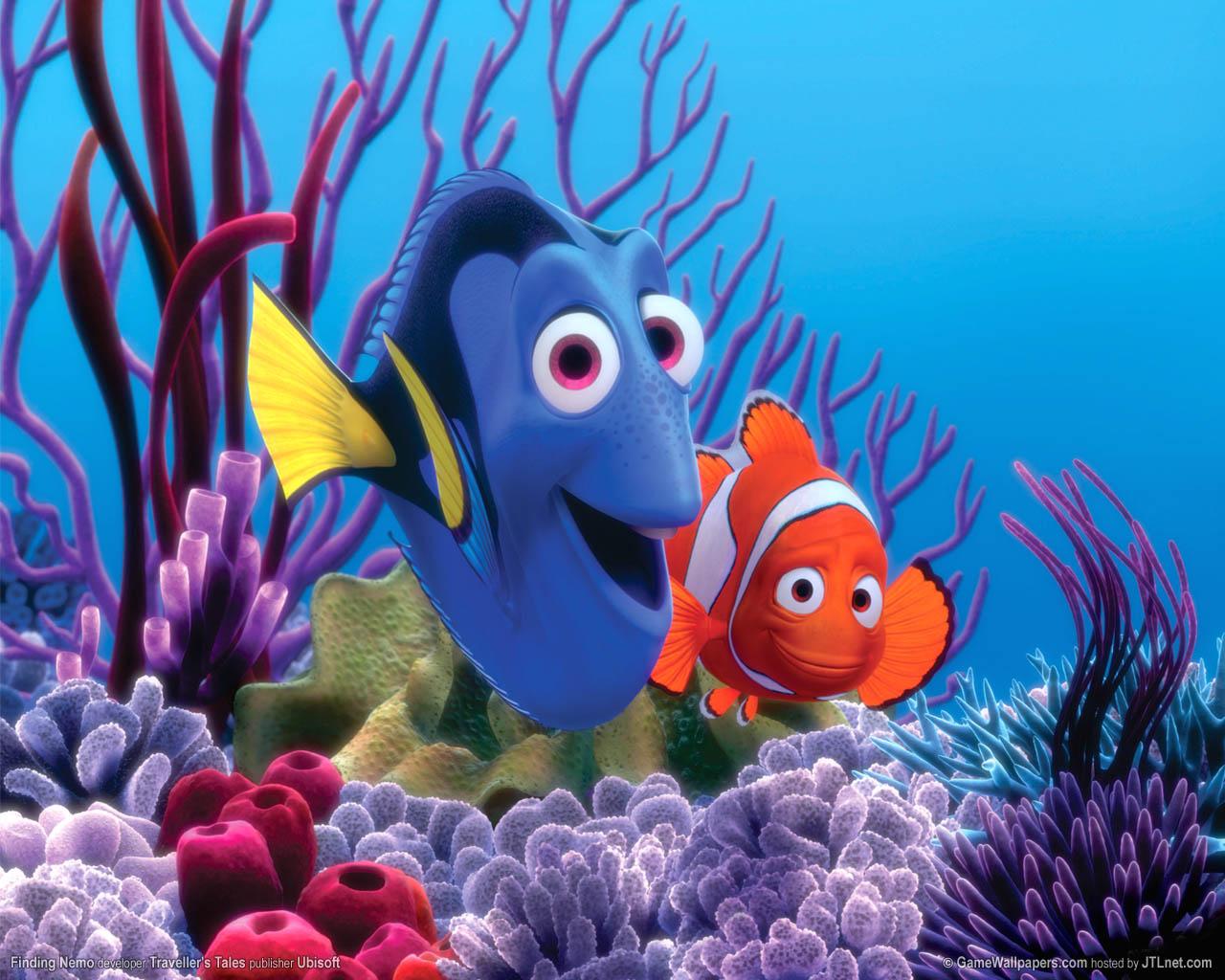
In this lecture we got into groups and had to create a transmedia story plan of a fairytale. We had to decide the narrative structure and then plan what aspects of a multiplatform story we would include. Our group chose to base ours on 'Finding Nemo' which I know isn't classed as a fairytale but has many similar aspects - and it is an amazing film!
We decided to focus on what happened before and after the film, providing fans with more of an insight into how the characters became who they were and what happened to them next. We split up our story into 4 parts based on 4 of the characters: What happened next to Dory, The back story of how Marlin and Coral met (Nemo's parents), how the sharks became who they were in the film and what happened next to Nemo. We decided that within our story we would use a range of transmedia such as viral videos, social networking, websites and apps.

Overall I found this task fascinating because it allowed us to explore different aspects of how to tell a story through narrative and platform. After researching in previous weeks example of transmedia stories, I feel that I am becoming more knowledgable in this area and will be able to successfully complete the brief that we have been set. In my opinion, using multiplatform devices to help tell a story is an effective device because it allows fans of shows to explore aspects of shows in new and innovative ways. 

Presentation!

Recently we had to do our presentations for Applied Media Research, in which we had to present our research and answer to the question, "Which are the three most successful ever examples of cross platform television programming, how did viewers participate and most importantly, what did they gain from the experience?".

After getting all our research together we met up as a group to enter it all onto a prezi and then write a script. We chose to use prezi because we felt that it was more professional looking than PowerPoint and that it would be more entertaining to watch as moving from box to box would be more fluid than just a straight change to a new slide of text. We made a conscious effort to not overload the Prezi with information as we didn't want the audience to spend all their time trying to read the text instead of listening to us so in each box of text we just put a few key words or statistics. We felt that having a script was vital as we didn't want to forget key points of research so we decided that we would practice a lot and not spend all our time looking at our cards. 

We met up a few hours earlier on the day so we could run through the presentation a few times. I thought this was a good idea as the more we practiced it, the more it became familiar to us and it felt more natural. 

Here is a link to our presentation:


I felt that our presentation went quite well as we didn't overrun the 15 minute timeslot we were given, we managed to get all of our research across in a clear and concise manner and I felt that we gave a confident delivery. If I was going to do it again, I personally would look up more from my script as I felt that I didn't do this as much as I should have. However my two other group members did amazing so credit to them!

On reflection, I feel that doing this presentation, and the course in general, has made me become a much better public speaker. The first time we had to do a presentation in Year 1 I remember feeling really nervous but after doing so many since then, it just feels like the norm and I feel really comfortable doing this. My confidence has also been improved by me occasionally doing stand up comedy, and by my weekly radio show with my friend James Dunn. I am so grateful for all these opportunities because I understand that one of the key skills that are essential in the media industry is confidence as you need to be able to talk to anyone and I can definitely do that!

Friday, 18 January 2013

Convergence Media Teamwork

A new year, a new media area of interest and a new module to delve in to! 

We recently had the introductory session of 'Convergence Media Teamwork'. This module is all about transmedia - media which is across a range of different platforms, such as viral videos, apps, websites and social networking. Jenkins (2007) said, "Transmedia storytelling represents a process where integral elements of a fiction get dispersed systematically across multiple delivery channels for the purpose of creating a unified and coordinated entertainment experience". These are often used in 2 different ways: firstly in transmedia storytelling which can be a standalone project or used to promote a famous tv show or film, such as Game of Thrones; or they can be used in campaigns as this enables them to get the message spread wider across the world as it is using many platforms. 

We were shown a few examples of both kinds and I've linked below a few of my favourite ones:
http://www.ryman-novel.com
http://www.youtube.com/watch?v=DOOJl5lWNfM


Our task is to either create a transmedia story or transmedia campaign and produce a presentation on our chosen idea in groups of 3. After being initially confused about the task, I asked fellow students for a clearer explanation which I received and now I'm really excited about the task ahead. I love to experiment with different types of media and the idea of bringing them all together to make a bigger piece appeals to my interests. 

Multiplatform stories are going to become bigger and better in the future and why shouldn't they - as more media users own more media players such as the traditional tv and computer, but now also the use of smartphones and tablets are the increase, the need for media to be accessible everywhere is becoming a necessity. Smart media creators will embrace this and use this as, not only an outlet for their creation, but also use them as a method of advertisement because it will reach a far great number of people. 

Tuesday, 15 January 2013

Applied Media Research Questionnaires

Another one of my responsibilities in the group was to collect and analyse the results of the paper questionnaire and to create an online questionnaire and then analyse those results. We decided to do an online questionnaire so that we could reach a wider variety of people through the internet by sharing it on social networks. On reflection, I realise that social networks are an extremely useful method of gathering information as you can send a message out to hundreds of people instantly, and they can then share that message with hundreds more people. This made me think that all TV shows should have their own social networking page as they will be able to find out fans' opinions instantaneously helping them realise how they can make their show better and more successful.

We used a combination of quantitative and qualitative questions so that we could collect more in depth answers about peoples' opinions on multi platform programmes. I think this was a good idea because although some questions were harder to analyse, it was worth it as we then knew peoples' exact views on the topic.

Results

Question 1 - What are your favourite TV Channels?
We asked this question to gage if people preferred channels that offer more multi platform content than other channels. The 3 most popular channels were E4, Channel 4 and ITV1 and we found that 74% of people's favourite channels offer a range of multiplatform shows. This shows that most people prefer channels that offer multi platform content and suggests that many may use it on a regular basis. This is a change from years ago when the norm was to just sit and watch that one programme without getting involved with extra content.

Question 2 - Why are these channels your favourite?
We asked this question because we wanted to know if multi platform content had any effect on people's decisions of what channel to pick. We found that 71% of people watched these channel because they had programmes on that interested them. This suggests that they would be more likely to interact with multi platform content as they are already interested in the shows so the channels can use this to their advantage.

Question 3 - What programmes are your favourite?
This question was asked because we wanted to see if peoples' favourite programmes were ones that involved multi platform content. The 3 most popular shows were The X Factor, Made in Chelsea and Walking Dead. These results show that the 3 most popular shows all involve multi platform content suggesting the increasing popularity of the exclusive content.

Question 4 - Why are these programmes your favourite?
We asked this question to see if multi platform content had any effect on a person's interest in that particular programme. The most popular answer with 50% of participants agreeing, was that the programme was fun to watch. Although this means they aren't tuning in because of multi platform programming, it suggests that they would be more likely to engage with the extra content which is something that programme makers could use to their advantage.

Question 5 - What devices do you watch your programmes on?
We asked this question because we wanted to find out if the way people watch television has changed from the traditional way how everyone just used a television set. We found that 47% still use their television as their main form of watching programmes however 36% now use computers and 11% use portable devices such as smartphones and tablets. This shows that people are starting to ditch the tradition of the family being round a tv set for the ability to watch a programme anywhere and at anytime. Programme creators should take this on board and enable multi platform content to be available anywhere and anytime so people can use it on the go.

Question 6 - Why do you watch it on this device?
We asked this question to find out if the ease of accessibility anywhere made a difference to peoples' watching habits. We found that 78% of people chose their device based on ease of access, whether it be whilst they were travelling, or whether it meant they were not restricted by the TV schedule suggesting that creators of multi platform content should make it available anywhere and anytime

Question 7 - If you could watch a programme on any other device, what would it be and why?
Again, we asked this question to investigate if the ease of accessibility anywhere made a different to peoples' watching habits. We found that 67% of people would choose a portable device like a smartphone or tablet because of its ease of use whilst travelling proving that one of the most important aspects of media today is that it can be accessed anywhere.

Question 8 - Do you play along with associated apps or use social networks relating to what you're watching on a smartphone, tablet or laptop during the same time they are on TV?
We asked this question to see how many people interacted with multi platform content at the same time as the show was on. Results showed that 87% of people interacted with multi platform content whilst a show was on, whether it was apps or using social networks to talk about the show. We found that 54% used smartphones, 32% used laptops and 14% used tablets. This shows the massive popularity of multi platform content and demonstrates that users enjoy interacting with the show on more than the one level of just sit back and watching it.

Question 9 - What programme do you play along with on apps or use social networking with?
We asked this question to help us determine what the 3 most successful examples of multi platform programming was. We found that the three most popular answers were The X Factor with 30%, Million Pound Drop with 26% and Embarassing Bodies with 13%. We decided to use these 3 answers and research in depth these shows and use them for our case studies because from our research they were the most popular

Question 10 - Why do you use these multi platform services?
We asked this question because we wanted to find out the reasons why people used multi platform content. Results showed that 33% people used them as a social activity, either playing along with someone or talking about the shows with other people, 30% use them because they find it fun and 30% play along with it because they want to interact with the show more. These results show that people interact with multi platform content for entertainment reasons on the whole. Programme makers should aim to create content that incorporates fun, social elements and interaction with characters or contestants as this is what the fans want.


I found doing these questionnaires fascinating because it was interesting to find out peoples' opinions and the ways that they use technology today. I was shocked by the popularity of multi platform content and feel excited for the future of television as I know that there will be more use of this as the audience's wants and needs now play a bigger role than ever in production and decisions of shows. Another big thing that came out of this research is the demand for all media to be easily accessible, anywhere and anytime, which is something we will definitely see more of as smartphones are rapidly becoming one of the most used items of technology.